
⚡High-Functioning Doesn’t Always Mean Healthy: Recognizing Hidden Burnout Early

🔥 Burnout Doesn’t Always Look Like Collapse
When most people picture burnout, they imagine someone completely shutting down.
But hidden burnout often looks very different.
It can look like:
Meeting deadlines
Showing up for others
Keeping routines
Staying productive
Smiling socially
While internally experiencing:
Emotional exhaustion
Anxiety
Irritability
Sleep disruption
Chronic overwhelm
High-functioning doesn’t always mean healthy.
Many people are praised for resilience when they’re actually operating in survival mode.
🧠 What Is Hidden Burnout?
Hidden burnout happens when chronic stress overloads your mental, emotional, and physical systems—but your responsibilities continue.
You may still appear:
Successful
Responsible
Reliable
Motivated
But internally, your nervous system may be overextended.
⚠️ Common Signs of Hidden Burnout
Emotional:
Increased irritability
Feeling numb
Overwhelm
Loss of motivation
Anxiety spikes
Emotional detachment
Mental:
Brain fog
Difficulty concentrating
Racing thoughts
Decision fatigue
Constant guilt
Physical:
Exhaustion
Headaches
Muscle tension
Poor sleep
Frequent illness
Low energy
🚨 Why Burnout Often Goes Unnoticed
1️⃣ Productivity Masks the Problem
Society often rewards overworking.
If you’re still performing, people may assume you’re fine.
2️⃣ Stress Becomes Normalized
When constant overwhelm becomes routine, it can feel “normal.”
3️⃣ Many People Disconnect from Their Needs
Ignoring rest, emotional signals, and capacity often becomes habitual.
🌿 Burnout Is a Nervous System Issue, Not a Motivation Problem
Burnout isn’t laziness.
It isn’t weakness.
It isn’t poor discipline.
Burnout often means your nervous system has been overloaded for too long.
This can result from:
Chronic overcommitment
Emotional suppression
Lack of boundaries
Digital overload
Sleep deprivation
Workplace pressure
Caregiving fatigue
🛑 Early Burnout Prevention Habits
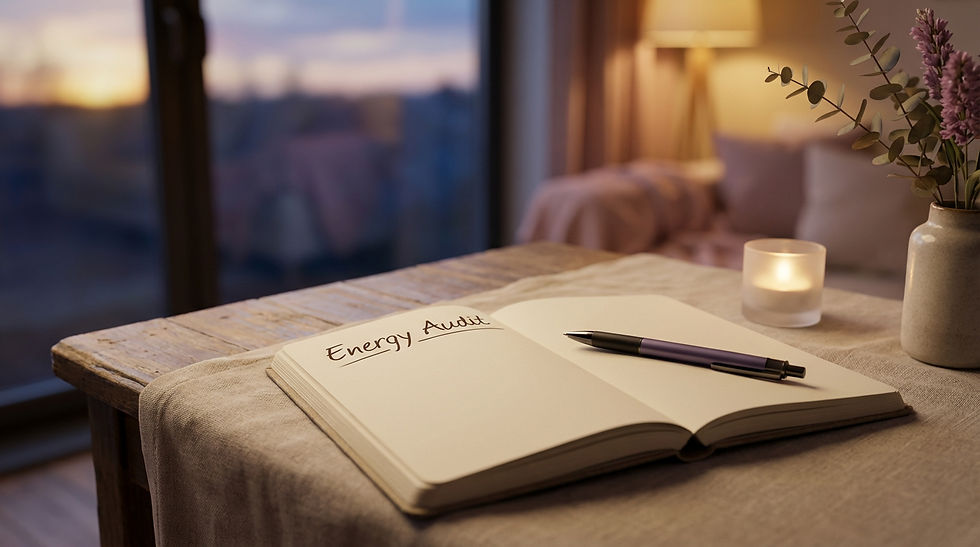
1️⃣ Audit Your Load
Ask:
What feels heavy right now?
What can be reduced?
What am I carrying unnecessarily?
2️⃣ Protect Rest Like Treatment
Rest is not optional maintenance—it’s core recovery.
Focus on:
Sleep consistency
Screen boundaries
Downtime
Quiet time
3️⃣ Schedule Recovery Before Crisis
Examples:
Midday walks
Weekly reset days
Digital detox windows
Emotional check-ins
4️⃣ Practice Capacity-Based Boundaries
From May script templates:
👉 “I can’t take that on right now. I’m protecting my mental health.”
5️⃣ Stop Romanticizing Exhaustion
Busy ≠ healthy
Overworked ≠ successful
Depleted ≠ productive long-term
💡 Burnout Recovery Reframes
You’re not lazy—your load is heavy
Rest protects performance
Recovery is productive
Peace matters more than constant output
Burnout is a signal, not an identity
🌎 Why This Matters
Unchecked burnout impacts:
Mental health
Relationships
Productivity
Physical health
Confidence
Long-term quality of life
According to the World Health Organization, burnout is an occupational phenomenon linked to unmanaged chronic workplace stress.
Translation:
Ignoring burnout has real consequences.
📍 Conclusion: Burnout Prevention Is Peace Protection
You don’t have to earn exhaustion.
You don’t have to prove your worth through depletion.
And you don’t need to wait until collapse to care for yourself.
Burnout prevention starts early.
By noticing:
Stress
Capacity
Boundaries
Rest needs
Because:
Your peace is worth protecting before it breaks.
🔄 Call to Action
Try one of the Early Burnout Prevention Habits today.
Not perfectly.
Just one.
👉 Save this post and reference it for grounded, quick and simple reset routines.
👉 Drop a comment—and tag a friend who needs this. 💬
👉 Explore more at www.Pozee.net
⏭️ Next Up
Your Feelings Are Data, Not Drama: Building Emotional Regulation Skills Daily
🔍 Sources & References
This post is grounded in occupational burnout science, stress physiology, and mental health research.
World Health Organization (WHO) – Burnout Overview
American Psychological Association (APA) – Burnout & Stress
Christina Maslach – Burnout Research
Centers for Disease Control and Prevention (CDC) – Stress & Coping
Sleep Foundation – Burnout & Sleep
Polyvagal Institute – Nervous System Regulation


Comments